Hibiscus tea for blood pressure: what the research says and how to use it
That ruby-red, tart cup has become one of the most searched heart-friendly drinks in America — and unlike most trendy teas, it actually has a randomized trial behind it. Here's what the research found, how to brew it, who should check with a doctor first, and where hibiscus fits in a daily routine.
By the Cardios Wellness editorial team · Published October 23, 2026
The Short Answer
Hibiscus tea is one of the best-studied heart-friendly drinks you can make at home. In a randomized, placebo-controlled trial run at the USDA Human Nutrition Research Center on Aging at Tufts University and published in the Journal of Nutrition in 2010, adults with prehypertension or mild high blood pressure who drank 3 cups of hibiscus tea a day for 6 weeks saw their systolic pressure fall an average of 7.2 points, versus 1.3 points on placebo. It's a natural, enjoyable way to support healthy blood pressure as part of a good routine — never a replacement for prescribed medication, so loop in your doctor if you take any.
What is hibiscus tea?
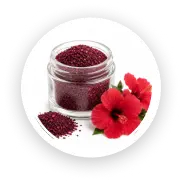
Hibiscus tea is an herbal infusion made from the dried, deep-red calyces of the Hibiscus sabdariffa plant (also called roselle). It tastes tart and fruity, a little like cranberry, and it's naturally caffeine-free. You'll find it in Mexican agua de jamaica, Caribbean sorrel and West African bissap.
The deep color comes from plant pigments called anthocyanins, the same family of compounds that gives berries their color. Researchers think these and other plant compounds in hibiscus are part of why it has drawn so much attention for heart health.
What the research actually found
Plenty of foods get called "good for blood pressure" with nothing behind the claim. Hibiscus is different, because it was put through a proper controlled trial at a respected US nutrition research center:
| Who ran it | Diane McKay, PhD, at the Jean Mayer USDA Human Nutrition Research Center on Aging at Tufts University |
| Published | Journal of Nutrition, 2010 |
| Who took part | 65 adults aged 30 to 70 with prehypertension or mild high blood pressure |
| What they drank | 3 cups of hibiscus tea a day, or a placebo drink that looked and tasted similar |
| How long | 6 weeks |
| Main result | Systolic pressure fell an average of 7.2 points with hibiscus vs 1.3 points on placebo |
| Biggest responders | People who started with the highest readings saw systolic pressure drop about 13 points |
The researchers concluded that drinking hibiscus tea in an amount that fits easily into a normal diet may play a role in supporting healthy blood pressure, and, as good scientists do, they called for more research. That's a fair way to read it: a genuinely promising result from a well-designed study, best used as one part of a heart-healthy routine.
How is hibiscus thought to help?
Scientists are still mapping the details, but the leading ideas are straightforward:
- Relaxed blood vessels. Plant compounds in hibiscus are thought to help blood vessels stay relaxed and flexible, which makes it easier for blood to flow.
- A mild "water pill" effect. Hibiscus is traditionally known for a gentle diuretic action, helping the body let go of extra fluid.
- Antioxidant support. Its anthocyanins and polyphenols are antioxidants, which support the health of the vessel lining.
None of these work overnight. Like every good heart habit, hibiscus rewards consistency over weeks.
How to brew hibiscus tea
- Use dried hibiscus flowers or tea bagsLook for 100% hibiscus or a blend where hibiscus is listed first. About 1 to 2 teaspoons of dried flowers or 1 tea bag per cup is a good start.
- Steep in just-boiled waterLet it steep 5 to 10 minutes. Longer gives a deeper color and a more tart flavor.
- Keep sugar lowAdded sugar works against heart health. Try a squeeze of orange, a cinnamon stick, fresh mint or a little honey instead.
- Make a pitcherBrew a big batch and keep it in the fridge. Iced hibiscus is refreshing, and having it ready makes 3 cups a day far easier.
Check with your doctor first if this is you
Hibiscus can add to the effect of blood pressure medication and may interact with some prescriptions, including diuretics and diabetes medicines. Ask your doctor before drinking it regularly if you take any medication, if you're pregnant or breastfeeding, or if your blood pressure already runs low. And never stop or cut back a prescribed medication because you've started drinking hibiscus.
Hibiscus tea vs hibiscus in a capsule
The tea is lovely, but here's the honest catch most articles skip: the study used three cups every single day. That's a lot of brewing, and it's exactly where many people fall off after a week or two. Here's how the options compare:
| Hibiscus tea | Pleasant, caffeine-free and hydrating. Takes time to brew several cups a day, flavor varies by brand, and it's easy to add too much sugar. |
| Botanical capsules | Fast and consistent: no brewing, no sugar, easy to take with breakfast and easy to travel with. Many formulas pair hibiscus with other circulation botanicals. |
| Both together | Plenty of people enjoy a cup of hibiscus tea as a ritual and rely on a daily capsule for consistency. Just tell your doctor about anything you take. |
Where Cardio Honey fits in
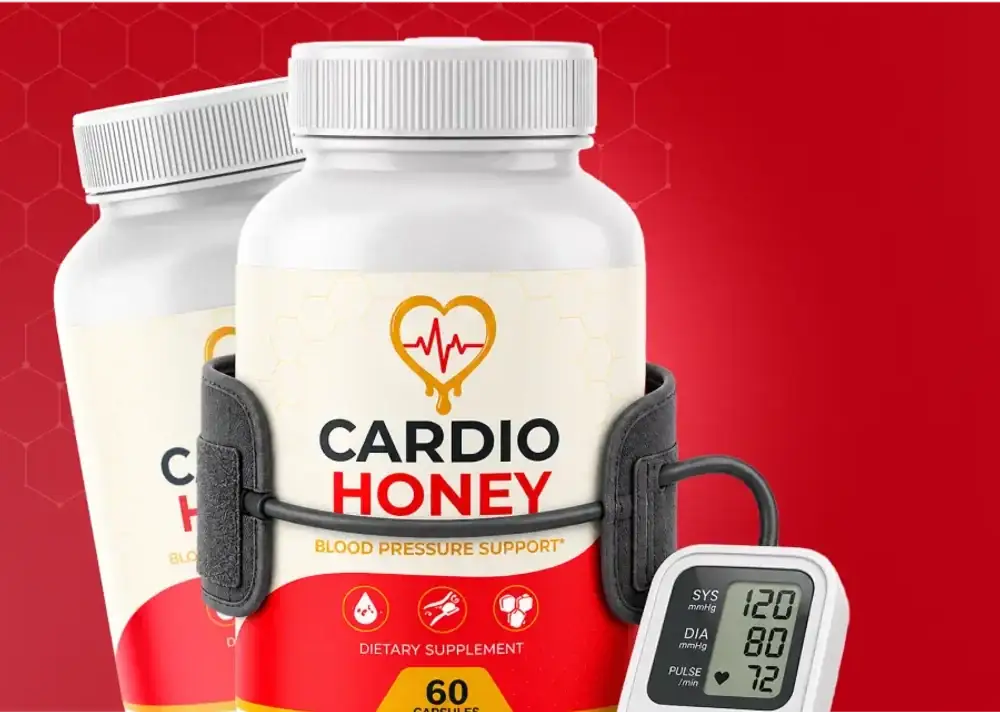
If you like the idea of hibiscus but know three cups a day won't happen, Cardio Honey is worth a close look. It combines hibiscus flower with three other botanicals long used for heart and circulatory wellness — hawthorn (leaf and flower), garlic and olive leaf — in just two capsules a day. It's a one-time purchase with no autoship, free shipping and a 60-day money-back guarantee, so you can build the habit and judge it on your own home readings.
It's a dietary supplement that supports a heart-healthy routine; it isn't a medication and never replaces one. If you take a prescription, show the label to your doctor first, then give it the weeks a botanical routine deserves.
Make hibiscus part of a bigger routine
Hibiscus shines brightest alongside the everyday habits with the strongest evidence: a DASH-style plate, less sodium, daily movement, less alcohol and good sleep. Our guide on what actually lowers blood pressure ranks those levers with realistic numbers. And to see whether your routine is working, track your readings properly — our guide to accurate home blood pressure readings shows you how.
Frequently asked questions
Does hibiscus tea lower blood pressure?
Hibiscus tea has some of the most encouraging research of any everyday drink. In a randomized, placebo-controlled trial led by Diane McKay at the USDA Human Nutrition Research Center on Aging at Tufts University and published in the Journal of Nutrition in 2010, 65 adults with prehypertension or mild high blood pressure drank 3 cups of hibiscus tea or a placebo drink daily for 6 weeks. Systolic pressure fell an average of 7.2 points in the hibiscus group versus 1.3 points on placebo. It supports a healthy routine; it isn't a replacement for prescribed medication.
How much hibiscus tea should I drink for blood pressure?
The best-known study used 3 cups (about 240 mL each) a day for 6 weeks. That's a reasonable everyday amount for most healthy adults. If you take blood pressure medication, a diuretic or other prescriptions, check with your doctor first, because hibiscus may add to their effect or interact with them.
How long does hibiscus tea take to work?
In the Tufts/USDA trial, results were measured after 6 weeks of daily use. Botanicals work gradually, so think in weeks of consistent use, not hours, and track your readings at home to see your own trend.
Who should avoid hibiscus tea?
Ask your doctor before drinking hibiscus regularly if you're pregnant or breastfeeding, if you take blood pressure medication, diuretics, diabetes medication or other prescriptions, or if your blood pressure already runs low. Never stop or reduce a prescribed medication because you started drinking hibiscus tea.
Is hibiscus better as a tea or in a capsule?
Both have a place. Tea is pleasant and hydrating but means brewing several cups every day, which many people find hard to keep up. Capsules are faster and easier to stay consistent with, and blends such as Cardio Honey pair hibiscus flower with hawthorn, garlic and olive leaf in two capsules a day. Either way, consistency matters most, and your doctor should know about any supplement you take.
Can I drink hibiscus tea every day?
Many healthy adults enjoy hibiscus tea daily, and the main study used it every day for 6 weeks. Keep it unsweetened or lightly sweetened, since added sugar works against heart health, and talk to your doctor if you take any medication.
Sources
- USDA Agricultural Research Service, AgResearch Magazine: hibiscus tea and blood pressure (McKay, Tufts University)
- McKay DL, Chen CY, Saltzman E, Blumberg JB. Hibiscus sabdariffa L. tea (tisane) lowers blood pressure in prehypertensive and mildly hypertensive adults. Journal of Nutrition, 2010.