What actually lowers blood pressure? The everyday changes with real evidence
Search "how to lower blood pressure" and you'll drown in miracle cures. The truth is calmer and far more encouraging: a short list of ordinary habits, each backed by decades of research, that add up to real, lasting change. Here's what genuinely works — with honest numbers — and where a supplement sensibly fits in.
The Short Answer
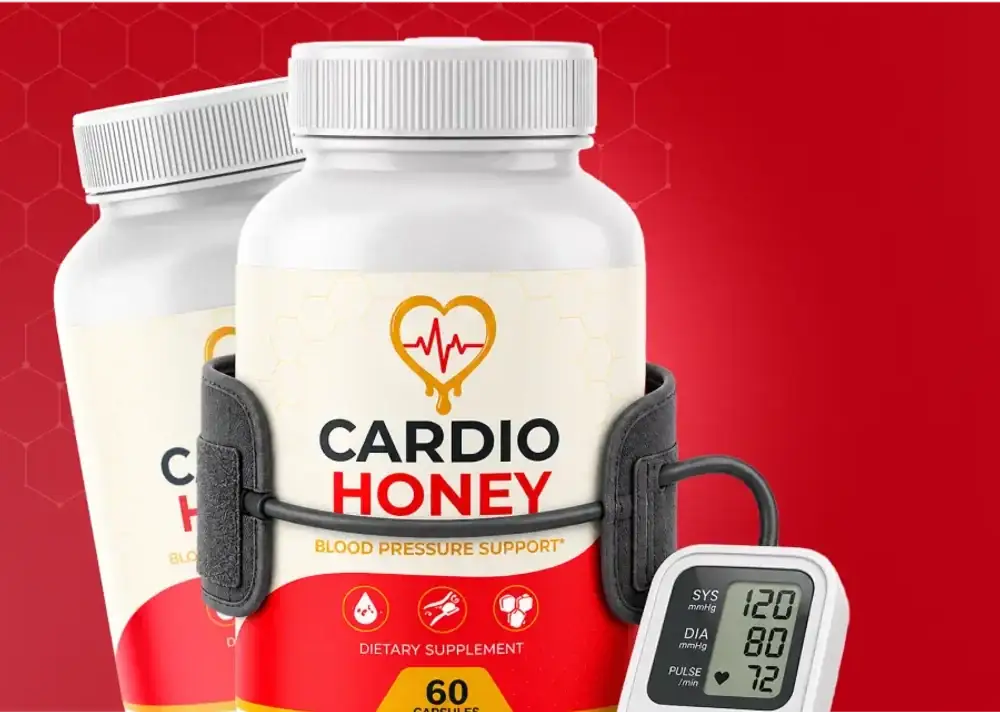
The daily changes with the strongest evidence for lower blood pressure are, roughly: losing excess weight (about 1 mmHg per kilogram), a DASH-style eating pattern (around 8–11 mmHg), cutting sodium (around 5–6 mmHg), regular movement (about 5–8 mmHg), moderating alcohol (around 4 mmHg), plus better sleep and less chronic stress. These overlap and vary from person to person, but stacked together they're powerful. A botanical supplement like Cardio Honey can support that routine — it's a food supplement, not a medication, and it never replaces what your doctor prescribes. High blood pressure is serious: always work with your doctor.
High blood pressure, or hypertension, earns its nickname — "the silent killer" — because it usually causes no symptoms while it quietly strains your heart, arteries, kidneys and brain. The good news is that it responds remarkably well to a handful of everyday changes. You don't need to overhaul your whole life overnight. You need to know which levers actually move the needle, and then pull a few of them consistently.
Below is that short list, ordered roughly by how much each one is worth. The mmHg figures are general, well-established ballpark estimates — your own results depend on your starting numbers, your genetics and how consistent you are. Think of them as a guide to where your effort pays off most, not a promise.
1. Lose a little weight (about 1 mmHg per kilogram)
If you're carrying extra weight, this is often the single biggest lever. As a rough rule, blood pressure tends to fall by around 1 mmHg for every kilogram (roughly 2 pounds) of excess weight lost. You don't need to reach an "ideal" weight to benefit — even a modest 5 to 10 percent reduction can meaningfully improve your readings, and it amplifies everything else on this list.
Where the weight comes off matters too: fat around the middle is especially linked to higher pressure. The point isn't a crash diet — it's a sustainable, gradual trend downward that you can actually maintain.
2. Eat the DASH way (around 8–11 mmHg)
DASH stands for Dietary Approaches to Stop Hypertension, and it's one of the most studied eating patterns for blood pressure. Followed consistently, it's often associated with reductions of roughly 8 to 11 mmHg — a drop comparable to some medications, which is remarkable for a way of eating.
It isn't a fad or a brand. It's simply a plate built around:
- Vegetables, fruits and whole grains — the base of most meals, naturally rich in potassium, magnesium and fiber.
- Lean proteins — fish, poultry, beans and legumes over fatty and processed meats.
- Low-fat dairy — a source of calcium linked to healthier pressure.
- Less of the usual culprits — sugary drinks, sweets, and heavily processed, salty foods.
You'll notice DASH does a lot of the sodium-cutting work for you, because it leans on whole foods instead of packaged ones. That overlap is exactly why these habits stack so well.
3. Cut back on sodium (around 5–6 mmHg)
Most of us eat far more sodium than we need — and the vast majority of it isn't from the salt shaker, but hidden in bread, deli meats, canned soups, sauces, snacks and restaurant food. Bringing sodium down toward recommended levels is commonly linked to reductions of roughly 5 to 6 mmHg, and some people (often called "salt-sensitive") respond even more strongly.
The practical move isn't to eat bland food forever. It's to read labels, cook more at home where you control the salt, rinse canned beans, and lean on herbs, garlic, citrus and spices for flavor. Your palate adjusts within a few weeks, and food starts tasting properly seasoned again at a fraction of the sodium.
4. Move most days (about 5–8 mmHg)
Regular aerobic activity — brisk walking, cycling, swimming, dancing — is associated with drops of around 5 to 8 mmHg in people with elevated pressure. The widely cited target is about 150 minutes of moderate activity a week, which breaks down to a very doable 30 minutes on most days.
You don't have to become an athlete. Consistency beats intensity here. A daily walk you actually take is worth far more than the punishing gym plan you abandon in February. Adding a couple of sessions of light strength work each week helps too.
5. Moderate your alcohol (around 4 mmHg)
Drinking above moderate levels reliably pushes blood pressure up. Cutting back — for heavier drinkers especially — is often linked to reductions of about 4 mmHg. Current guidance suggests keeping it to no more than one drink a day for women and two for men, and for many people, less is better still. If you don't drink, this is simply one lever you don't need to worry about.
6. Protect your sleep
Blood pressure is supposed to dip while you sleep. Short, broken, or poor-quality sleep blunts that natural dip and is linked to higher daytime readings over time. Untreated sleep apnea — loud snoring, gasping, waking unrefreshed — is a particularly common and under-recognized driver of stubborn hypertension. Aim for a consistent 7 to 9 hours, and if you suspect apnea, ask your doctor about a sleep assessment. Treating it can change your numbers dramatically.
7. Take the edge off chronic stress
A stressful moment spikes your pressure briefly; that's normal. The concern is chronic stress, and the coping habits that ride along with it — poor sleep, comfort eating, more alcohol, less movement. Managing stress works partly through those knock-on effects and partly on its own. Slow breathing, regular walks, time outdoors, and simply protecting a little unhurried time each day all help. You don't need a perfect meditation practice — you need a few reliable ways to decompress.
How it all adds up
Here's the encouraging part. These effects don't fully stack on top of each other — there's overlap — but they reinforce one another. Someone who loses a bit of weight, eats DASH-style, cuts sodium, walks daily and drinks less can see a genuinely meaningful improvement, sometimes enough that their doctor revisits their medication. Crucially, that's a conversation with your doctor, never a solo decision.
Where supplements honestly fit — and where they don't
Let's be straight about this, because the internet rarely is. A supplement is support for a good routine, not a substitute for one — and never a substitute for medication. Botanical formulas like Cardio Honey are built around plants people have leaned on for generations for circulation and heart wellness: hawthorn, garlic, olive leaf and hibiscus. They can be a pleasant, easy daily habit that keeps you engaged with your heart health.
But keep three honest caveats in mind:
- They're food supplements, not drugs. They are not evaluated by the FDA to treat, cure or prevent high blood pressure or any disease, and results vary from person to person.
- They don't replace the fundamentals. No capsule outperforms losing excess weight, eating well and moving — it works alongside them.
- They can interact with medication. Some botanicals affect how blood-pressure drugs behave. If you take any prescription, show the supplement label to your doctor before starting.
Used that way — eyes open, doctor in the loop — a supplement can be a reasonable part of the picture. Just don't let it become the excuse to skip the changes that actually carry the weight.
A word on the numbers
Every mmHg figure here is a general, widely-cited estimate to help you prioritize — not a guarantee for your body. Your real results depend on your starting point, your consistency and your individual health. The single most useful thing you can do is track your readings properly at home and review them with your doctor. Not sure your readings are accurate? Read our guide to taking reliable blood pressure readings at home →
Frequently asked questions
What lowers blood pressure the fastest naturally?
For most people, cutting back on sodium and alcohol tends to show up in readings within a couple of weeks, and daily movement helps quickly too. But "fast" is the wrong goal — the changes that last are the ones you can keep for months and years. There's no natural approach that safely brings numbers down in minutes, and you should never stop prescribed medication in the hope that lifestyle alone will hold your pressure down. Talk to your doctor about a realistic timeline.
How much can lifestyle changes really lower blood pressure?
Individually, well-studied habits are each worth roughly a handful of points: a DASH-style eating pattern is often cited around 8 to 11 mmHg, cutting sodium around 5 to 6 mmHg, regular aerobic exercise about 5 to 8 mmHg, moderating alcohol around 4 mmHg, and roughly 1 mmHg for each kilogram of excess weight lost. These effects vary from person to person and partly overlap, but stacked together they can add up to a meaningful drop.
Can a supplement lower blood pressure?
A supplement is best thought of as support for a heart-healthy routine, not a treatment. Botanical supplements such as Cardio Honey are built around plants like hawthorn, garlic, olive leaf and hibiscus that people have traditionally used for circulation. They're food supplements, not medications, they aren't evaluated by the FDA to treat any condition, and they should never replace prescribed medication. If you take blood pressure medicine, show the label to your doctor before adding anything, because some botanicals can interact.
Do I still need medication if I change my lifestyle?
That's a decision only your doctor can make with you. For some people, lifestyle changes are enough to keep mild elevations in check; for others, medication is essential and lifelong. Lifestyle and medication aren't either-or — they work together. Never start, stop, or change a prescription on your own based on how you feel or on an article you read online.